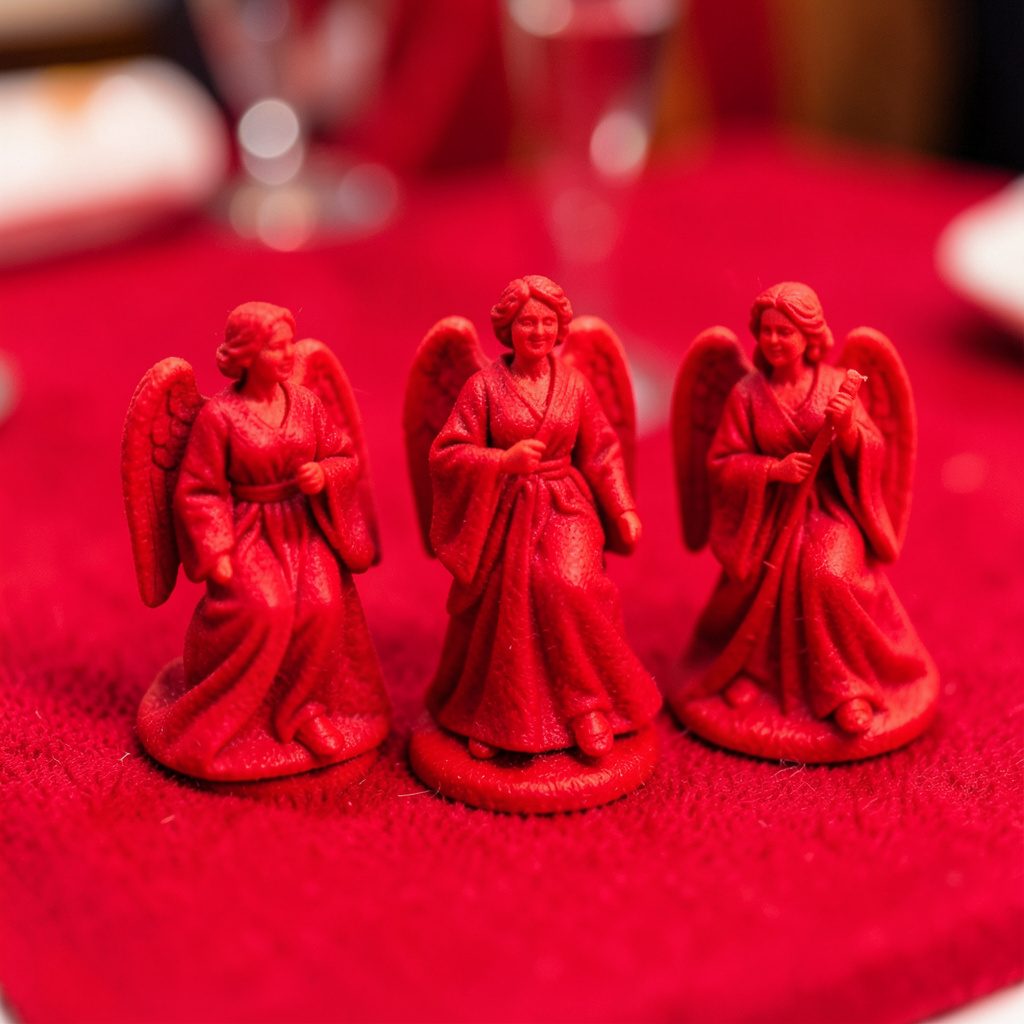
From Piano Bar to Karaoke Bar: The Evolution of Our Venue
Music venues rarely stay fixed for long. A room that begins with a piano, a few drinks and a listening crowd can gradually become something more energetic, more social and more democratic. That change reflects the way guests want to spend an evening: sharing songs, meeting people and creating memories rather than simply watching a performance.
At Tre Angeli in Sliema, the musical heart of the venue has developed into a lively karaoke bar and restaurant. Piano-bar charm still belongs to the story, yet the modern experience gives the microphone to the crowd. Guests can enjoy a full menu, drinks, themed evenings, happy-hour specials and the easy atmosphere of a night out by the Maltese coast.
That evolution will feel familiar to Australian visitors. From a Friday arvo at a neighbourhood pub to a packed karaoke room in Melbourne or Sydney, Australians understand the pleasure of a group singalong. The setting may change from a local RSL to a Sliema venue, but the ingredients remain recognisable: good company, familiar songs and a reason to stay for one more round.
A Room Built Around Music
The piano bar tradition was founded on atmosphere. A pianist could shape the mood of the room without demanding complete attention, moving from soft background arrangements to recognisable standards as the evening gathered pace. People could talk over the music, order a drink, share a meal and settle into the night at their own rhythm.
That format suited an earlier kind of hospitality. The performer was the focus, while guests became listeners. A piano in the corner suggested sophistication and offered a musical identity without turning the venue into a formal concert hall. It made the room feel warm, intimate and slightly theatrical.
As nightlife changed, guests began looking for a more active role. Live music remained important, though the definition of participation expanded. A memorable night was no longer measured only by the quality of the musician; it was also shaped by the confidence of the person taking the microphone, the support of the crowd and the laughter between songs.
For an Australian audience, the shift is easy to recognise. A pub may begin with acoustic covers and finish with a dance floor after the last footy match has ended. In the same way, a piano-led venue can grow into a karaoke destination while keeping the original emphasis on conviviality.
From Listening To Participating
Karaoke changes the relationship between performer and audience. Every guest has the possibility of becoming part of the entertainment, whether they deliver a polished rendition, a deliberately dramatic version or a brave attempt supported by friends. The room becomes a shared stage rather than a space divided between professionals and spectators.
This is why song choice matters so much. Familiar choruses bring people together quickly, especially when guests come from different countries and backgrounds. Classic rock, pop favourites, power ballads and dance-floor anthems offer common ground. Tre Angeli’s guide to classic karaoke anthems captures the kind of repertoire that can turn a quiet table into a united chorus.
The best karaoke rooms also make room for different levels of confidence. One guest may arrive ready to perform, while another may need a few songs and a drink before joining in. A welcoming host, clear song selection and an audience that knows how to cheer can remove much of the pressure. Applause becomes part of the experience, regardless of vocal ability.
Australians often bring a relaxed attitude to this kind of participation. “Have a go” is a useful social principle, whether the activity is a backyard barbecue, a community fundraiser or karaoke after dinner. That spirit suits a venue where a technically imperfect performance can still become the highlight of the evening.
The Social Engine Of A Modern Venue
The move from piano bar to karaoke bar is also a change in social design. A traditional lounge encourages small conversations around separate tables. Karaoke creates moments that connect the entire room, with people reacting to the same chorus, joke, dance move or unexpected vocal flourish.
That collective energy can be valuable for visitors in Malta. Sliema attracts residents, travellers, international workers and holidaymakers, so a music-led venue has the ability to bridge different social circles. A song everyone knows can do what a long conversation sometimes cannot: create an instant sense of familiarity.
Food and drink support that process. A full restaurant menu gives guests a reason to arrive early and stay comfortably through the evening, while happy-hour drink specials can make the transition from dinner to karaoke feel natural. Instead of treating entertainment as a separate appointment, the venue becomes a complete night out with several stages.
The Australian market has a similar rhythm. People may meet for an early meal in Newtown, Fitzroy or Fortitude Valley, then move to a bar when the conversation becomes livelier. Venues that combine dining, drinks and entertainment are well placed to serve groups who want flexibility. Some guests may focus on food, some on the specials and others on the microphone, yet everyone shares the same room.
What A Karaoke Night Looks Like Now
A contemporary karaoke evening is more carefully shaped than the old image of a small television in a corner. The atmosphere begins when guests enter: lighting, table layout, music between performances and the visibility of the stage all influence whether people feel ready to join in. A well-run night balances spontaneity with enough structure to keep the energy moving.
The schedule matters too. Weekly karaoke sessions give regulars a dependable ritual, while special events provide a reason for new guests to visit. A themed night might focus on rock classics, film soundtracks, guilty pleasures or a particular decade. Happy-hour timing can encourage an earlier start, and a late performance slot can keep the room active after dinner service.
The host has a central role in this format. They introduce singers, maintain momentum, welcome first-time performers and ensure that the room feels inclusive. Good hosting avoids turning every song into a competition. The goal is to keep the mood generous, so the crowd celebrates the performance rather than judging it.
That approach works across different hospitality cultures. In Australia, a karaoke night may attract a birthday group, colleagues finishing a work function or friends escaping a humid summer evening. In Malta, it can bring together locals and international visitors enjoying Sliema after dark. The details vary, but the social mechanics remain remarkably consistent.
Why The Evolution Still Matters
The journey from piano-led entertainment to audience-powered karaoke reflects a wider change in hospitality. People increasingly value experiences they can help create. A restaurant is more memorable when a meal becomes part of a story, and a bar becomes more distinctive when guests contribute to its soundtrack.
This does not mean the piano-bar mood has disappeared. Its best qualities are still present in the focus on live music, atmosphere and personal connection. Karaoke extends those qualities by making the room more participatory. The performer is no longer the only person responsible for creating the evening; the audience becomes part of the show.
For Tre Angeli, that combination supports a broad identity. The venue can welcome someone looking for a relaxed meal, a group planning a birthday, travellers searching for nightlife in Sliema or regulars who know exactly when the weekly specials begin. Restaurant service, drinks, karaoke and special events can coexist without competing for attention.
| Piano Bar Tradition | Modern Karaoke Bar Experience |
|---|---|
| A professional musician leads the room | Guests share the microphone and shape the programme |
| Music supports conversation and dining | Music becomes a shared social activity |
| The mood is often intimate and lounge-like | The mood can build into a lively group celebration |
| Guests mainly listen | Guests sing, cheer, dance and participate |
| Repertoire follows the performer’s set | Song choice reflects the crowd’s preferences |
| Entertainment is centred on one stage presence | The whole room contributes to the atmosphere |
For Australians planning a Malta holiday, the venue offers a familiar style of fun in a different setting. The easy banter of a local pub, the group energy of a birthday booking and the comfort of a menu-driven night out can all be found alongside the Mediterranean character of Sliema. It is a useful reminder that hospitality travels well when it is built around music and welcome.
A strong venue evolves because its guests evolve. The piano created an atmosphere; karaoke opens that atmosphere to everyone. With a restaurant menu, drink specials, customer-focused events and a room designed for shared enjoyment, Tre Angeli continues that story in a way that feels current while respecting where it began.
Make your next Sliema evening part of the music at Tre Angeli, whether you arrive for dinner, meet friends during happy hour or step up for a song. Check the venue details and event information, choose a favourite track and join the crowd that turns an ordinary night into a shared performance.