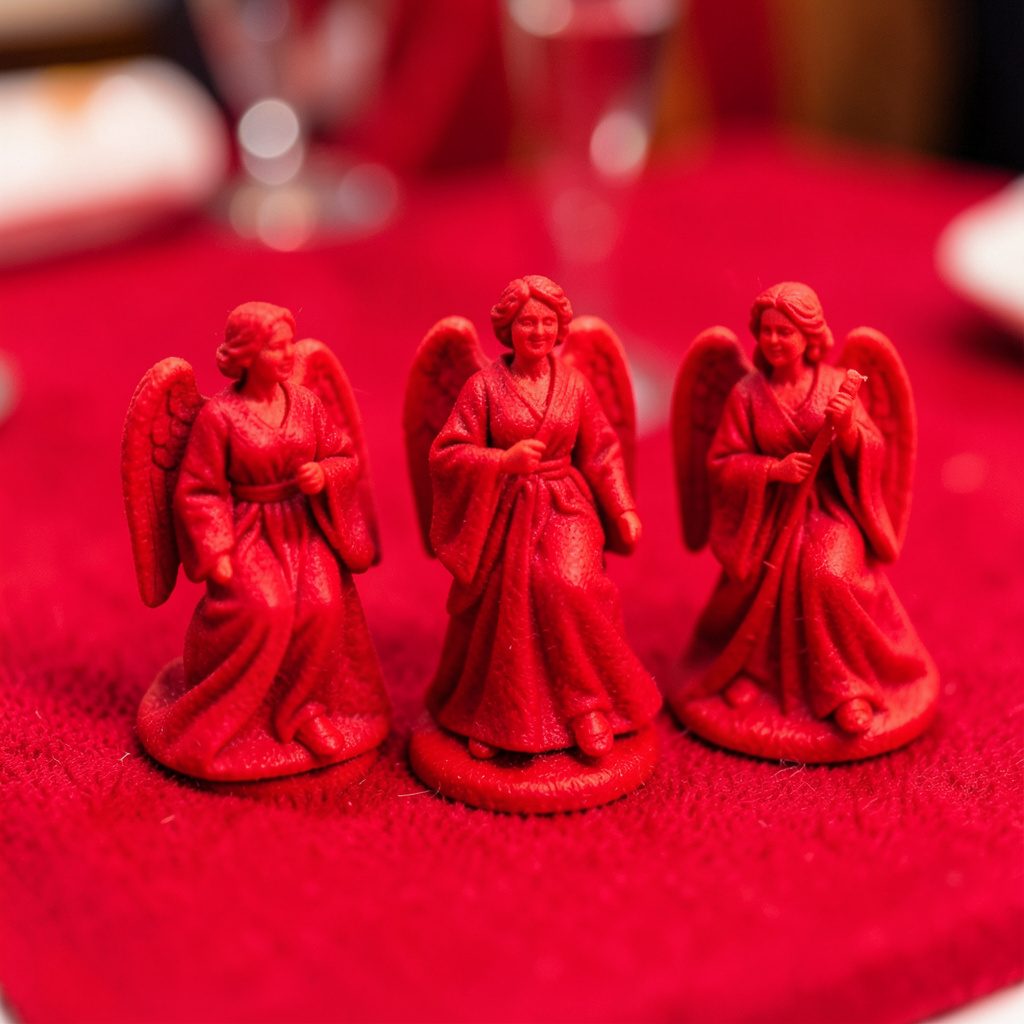
A Quiet Sunday Tradition That Travellers Keep Missing in Sliema
Sundays in Mediterranean towns tend to slow right down, and Sliema is no different. The harbour goes still, the shop shutters come down one by one, and the weekend crowd thins out until the only sound left is the evening ferry horns echoing across the bay. Tucked into that lazy rhythm is a ritual that most guidebooks barely mention: a proper roast lunch in a town better known for its seafront promenade and its long row of pavement cafés.
Australians who travel well know that the best meals are rarely the ones you plan. They are the ones you stumble into after a long walk, when your feet hurt and the smell of roasting meat drifts across the footpath. The team behind this waterfront spot has been quietly serving a Sunday roast that pulls in locals week after week, while tourists wander past looking for another pastizzi shop. It is the kind of plate that rewards curiosity, and word travels fast among the expat community living between St Julian's and Valletta.
What makes a roast on a small island stand out is the question most visitors ask first. The answer is partly about ingredients, partly about stubbornness, and partly about doing one thing very well instead of trying to be everything to everyone. On the Maltese coast, where the dining scene leans toward seafood, rabbit stew, and the occasional rabbit in wine sauce, a carved roast with crisp potatoes and proper gravy feels almost transgressive, in the best possible way.
This is less a review and more an invitation. Below is a breakdown of what makes this particular Sunday lunch worth booking a trip around, whether you are spending a long weekend in Malta or living here full-time and tired of the same old brunch circuit. Read it with an empty stomach.
The Honest Appeal of a Sunday Roast in a Seaside Town
There is something deeply unflashy about a good roast dinner. No foam, no tweezers, no microgreens balanced on the rim of a slate plate. Just a plate of carved meat, roasted vegetables, potatoes that have soaked up proper fat, and gravy that tastes like it was made from the pan. After a week of eating out in Sliema's many polished restaurants, that kind of simplicity feels almost radical.
Australians understand this comfort deeply. The country grew up on Sunday roasts served at long family tables, often after a morning spent watching the AFL or NRL, depending on which state you grew up in. In Perth, the tradition survives in pubs from Fremantle to Midland. In Brisbane, it pairs neatly with a cold XXXX and a lazy arvo. The flavour memory travels well, which is why so many travellers from Sydney and Melbourne feel a quiet jolt of homesickness when they sit down to a plate that actually delivers.
That homesickness is what this place leans into. The roast is not trying to be a reinvention. It is the same slow-cooked meat, the same trimmings, the same kind of plate you remember from a childhood visit to a country pub or a grandparent's kitchen. In a town where most menus tilt toward Mediterranean flavours, it is the familiar note that lands hardest.
The appeal also has a practical edge. After a night of karaoke downstairs, or a long morning wandering the Sliema coastline, the body asks for something starchy and warm. A roast answers that request honestly, with no fuss, and without the price tag of the fancier waterfront brasseries a block away.
What Actually Goes on the Plate
The roast itself is built around a generous cut of meat, slow-cooked until the edges catch and the centre stays soft. The kitchen takes the long route rather than the quick one, which matters more than any single seasoning choice. Beef and pork both make regular appearances, and on busier weeks a roast chicken gets wheeled out for the tables that ask for something lighter or want to share across the group.
Vegetables are treated with the same care. Carrots keep their sweetness, parsnips caramelise at the edges, and the roast potatoes arrive golden and crisp, the kind that break apart into fluffy middles when you press a fork into them. There is no shortage of them either, which is the other thing most travellers from Australia notice immediately: portions here are generous. After years of dining in Sydney or Melbourne where mains can feel modest, the size of the plate is its own quiet surprise.
Yorkshire puddings make an appearance, though the kitchen adjusts the recipe slightly for local flour and oven conditions. Gravy is dark, peppery, and ladled generously, and there is always a jug of extra on the table for anyone who asks. Stuffing, when it comes, is the sage-and-onion variety, baked in a tray rather than shaped into balls.
Vegetarians are not forgotten either. A nut roast or a stuffed pepper alternative is usually available, and the kitchen has become used to swapping the meat portion for extra vegetables when asked. It is the kind of flexibility that comes from doing the same service week after week and learning what people actually want rather than what looks best on the menu.
The Setting and the Crowd
Tre Angeli sits a short walk from the Sliema ferry, which makes it easy to reach whether you are staying in St Julian's, Gzira, or further along the coast in Mellieha. The dining room is unfussy, with plain walls, decent lighting, and tables spaced wide enough that you can actually have a conversation. The karaoke bar downstairs hums with its own energy, but upstairs the mood is calmer, the kind of place where people linger over a second glass of wine without feeling nudged toward the door.
Locals make up most of the Sunday crowd, which is part of the appeal. It is rare to feel like a tourist trap when the table next to you is three generations of the same family catching up over a shared plate. There are regulars who turn up every week without booking, and there are first-timers who heard about it from a colleague in the Valletta office. The mix changes, but the tone stays steady.
For Australians, the soundtrack and pace will feel faintly familiar. The room fills slowly, the conversation gets louder as the afternoon wears on, and somewhere around three o'clock someone orders a digestif and refuses to leave. It mimics the rhythm of a long Sunday lunch in Adelaide or Hobart, just with a harbour view instead of a back garden and a different kind of sun on the wall.
Staff treat the Sunday service like a small event rather than a side hustle to the rest of the week. Service is unhurried but attentive, and the team takes genuine pleasure in explaining what is on the plate. It feels like a place that wants you to stay a while rather than turn tables quickly, which is rare in a town that lives on holiday foot traffic.
How It Stacks Up Against Other Sunday Options
Sliema is not short of places to eat on a Sunday. Brunch spots fill the morning with eggs and avo on sourdough, while waterfront restaurants lean into fish and pasta for the lunchtime crowd. A few hotels offer their own roast buffets, often priced for the conference set rather than the casual diner, and most of them lean heavily on the buffet trolley to justify the bill.
Against that lineup, the Tre Angeli roast holds its own surprisingly well. The price sits well below what you would pay in a comparable Sydney pub on a Sunday, and the portions are noticeably bigger. A glass of wine or a local beer paired with the meal keeps the bill reasonable even for travellers watching their exchange rate against the euro. For Aussies used to paying thirty dollars a head for a roast in Surry Hills or Fitzroy, the value here is the kind that gets quietly mentioned in a group chat back home.
It also solves a practical problem for anyone who has spent a Saturday night downstairs at the karaoke bar. After a few hours of singing badly and drinking well, the body craves exactly the kind of starchy, savoury food this kitchen does best. The walk upstairs, or even the short stumble from the lounge next door, becomes the most logical Sunday plan in town.
There is also the matter of timing. The roast starts at midday and runs through the afternoon, which means it works for late risers and early diners alike. Families with young children tend to book the earlier tables, while couples and groups of friends drift in later and stay until the kitchen closes.
Booking and What to Know Before You Go
Sundays get busy, particularly in the busier tourist months between May and October. Tables are limited and the dining room does not extend out onto the street, so turning up without a booking often means a long wait or a polite redirect to the bar downstairs. The simplest move is to reserve ahead, especially if your group is more than four.
The kitchen also appreciates a heads-up if anyone in the party has dietary requirements. The team is used to handling gluten-free requests, vegetarian swaps, and the occasional pregnancy-related aversion to rare beef. A quick note when you book saves a lot of faffing around at the table later.
The address is easy to find, just off the main Sliema promenade, and there is plenty of parking within a short walk if you have hired a car for the day. If you are coming from Valletta, the ferry drops you a few minutes' walk from the door, which is the most pleasant way to arrive and avoids the Sunday traffic on the main road.
For bookings and any specific questions about the menu, the easiest route is to contact the team. They will usually reply within a day and can tell you what is on the roast menu that weekend, what time the kitchen opens, and whether there are any private events affecting the dining room.
Pack light, eat slow, and save room for a second helping of potatoes. The rest takes care of itself.