The History of Karaoke in Malta: From Boom to Trend
Karaoke has travelled a long way from its late twentieth-century origins in Kobe, Japan, where the first coin-operated machines gave shy singers a chance to take the spotlight. The concept spread through Asia, hopped across the Atlantic, and eventually reached European shores, including the sun-soaked archipelago of Malta. For Australians who grew up belting out classic rock anthems in pubs from Sydney to Perth, the global journey of karaoke offers a familiar story of how a small invention can reshape social nights out.
The Maltese islands sit at a crossroads of Mediterranean cultures, where Italian pop, British music hall traditions, and Arabic rhythms have long mingled. That eclectic mix made the islands an unusually fertile ground for a hobby that celebrates amateur singing in any language. Visitors from Melbourne or Brisbane who wander into a Paceville bar or a Sliema waterfront venue will notice the same joyful chaos they recognise from King Street in Newtown or Brunswick Street in Fitzroy: strangers becoming temporary choir partners, cheap drinks flowing, and the occasional unforgettable performance.
What began as imported technology has become a genuine thread in the Maltese social fabric. Valletta, the resort towns of St Julian's and Sliema, and even smaller villages like Marsaxlokk have all seen karaoke nights come and go, settle in, and stick around. To understand how a Japanese machine ended up shaping Mediterranean Friday nights, it helps to look back at the decades when karaoke first arrived on the islands.
The First Sing-Alongs on the Island
The earliest karaoke machines reached Malta in the late 1970s and early 1980s, smuggled into private clubs and family-run bars by returning workers who had spent time in Italy and the UK. The gear was bulky, the song libraries tiny, and the screens flickered with pixelated lyrics. Yet the novelty of stepping up to a microphone and performing Neapolitan ballads or ABBA hits drew curious crowds in places like Sliema and Gżira.
By the mid-1980s, venues in Valletta and around Manoel Island began installing permanent setups. Italian manufacturers dominated the market, and machines came pre-loaded with Sanremo classics that suited Maltese tastes. Local entertainers, many of them already seasoned at festa bandstands, hosted the early evenings, treating them as informal talent contests rather than casual pub entertainment.
This was also the era when Australian travellers first discovered Malta in larger numbers, drawn by cheap package holidays and British colonial familiarity. Returning Sydneysiders and Adelaide backpackers described those karaoke nights as oddly similar to the rising pub-scene culture back home, even though song choices leaned toward Italian and Maltese pop rather than Cold Chisel or INXS.
The Boom Years of the Nineties
The 1990s turned karaoke into a genuine craze across Malta. CD+G technology improved sound and picture quality dramatically, and affordable machines from Asian manufacturers made it possible for any bar owner to set up a karaoke corner. Paceville, the nightclub district perched above St George's Bay, became an unlikely laboratory for the format, with new venues opening every summer season.
St Julian's and Sliema waterfronts also saw an explosion of family-run restaurants adding karaoke to their evening offerings. Birthday parties, engagement celebrations, and corporate team-building events migrated toward venues that offered a full meal followed by singing. The boom coincided with Malta's preparation for EU membership in 2004, which brought more international tourists and a greater appetite for shared entertainment.
For the Australian market, this mirrored what was happening in Melbourne and Brisbane, where karaoke had moved from novelty lounges into mainstream hospitality. Korean-owned rooms in Melbourne's CBD, Japanese chains, and home-grown bars all fed the same wave. Maltese venues captured the same energy, and many singers who first took the microphone during those summer nights still return today.
When the Buzz Became a Habit
By the 2010s, karaoke in Malta had clearly shifted from explosive novelty to established habit. The boom had cooled, but the practice had not disappeared. Instead, it settled into a quieter, more confident rhythm, with regular weekly slots at neighbourhood bars and dedicated venues that built identities around singing. Digital song libraries replaced scratched CDs, and screens finally lost their flicker.
Traditional bar-style nights remained popular, but private karaoke rooms also appeared in Valletta and Sliema, offering small groups a chance to sing without an audience. The trend followed patterns seen in Sydney's CBD, where Korean-style noraebang rooms have become a mainstay for birthday groups and office outings. Maltese operators adapted these models to local tastes, adding Maltese-language pop and traditional għana songs alongside English and Italian repertoire.
The shift from boom to trend changed who showed up. Where 1990s crowds were mostly tourists and young locals, today's regulars include office workers unwinding after Friday meetings, retirees revisiting their wedding playlists, and multigenerational families gathering for weekend meals. Karaoke stopped being a special event and became a normal part of going out.
Friday Nights and the Modern Maltese Karaoke Scene
If you ask any regular in Sliema or St Julian's which night matters most for karaoke, the answer comes back quickly: Friday. The end of the working week has long been the natural slot for singing across the Maltese islands, and the tradition has grown stronger as venues compete for the dinner-and-entertainment crowd. A typical Friday flows from early-evening drinks through a long Italian-influenced dinner, then into two or three hours of karaoke that spills past midnight.
The format has been refined over the years, with hosts learning to read the room and pace the energy. Couples mark anniversaries with duets, groups run themed rounds, and regulars treat the night as a weekly social anchor rather than an occasional outing. One recent Friday in a Paceville bar featured an entirely Australian setlist of AC/DC, Kylie Minogue, and Olivia Newton-John, drawing cheers from locals and visitors alike.
For anyone wanting a deeper sense of how these evenings unfold, the Friday karaoke playlist guide walks readers through what makes the night tick, from the first song to the last call. Modern Maltese karaoke is less about showcasing polished vocals and more about shared laughter, friendly competition, and the pleasure of hearing familiar songs filtered through a dozen different voices.
Karaoke Across the Seas: How Australia Stays in Tune
Australia has developed one of the liveliest karaoke cultures in the Southern Hemisphere, and the parallels with Malta are striking. In Melbourne's inner suburbs, every second pub seems to host a weeknight karaoke event, while Sydney's CBD and Surry Hills have leaned into the Korean noraebang model with private rooms that stay open until the small hours. Perth's Northbridge and Brisbane's Fortitude Valley have built their own versions of the format.
What unites the Australian scene with the Maltese one is a shared belief that karaoke is for everyone. You don't need lessons, you don't need perfect pitch, and you definitely don't need courage beyond a single glass of wine. The venues that succeed treat first-timers with the same warmth as seasoned regulars, and rotate song lists fast enough to keep both older crooners and younger pop fans happy.
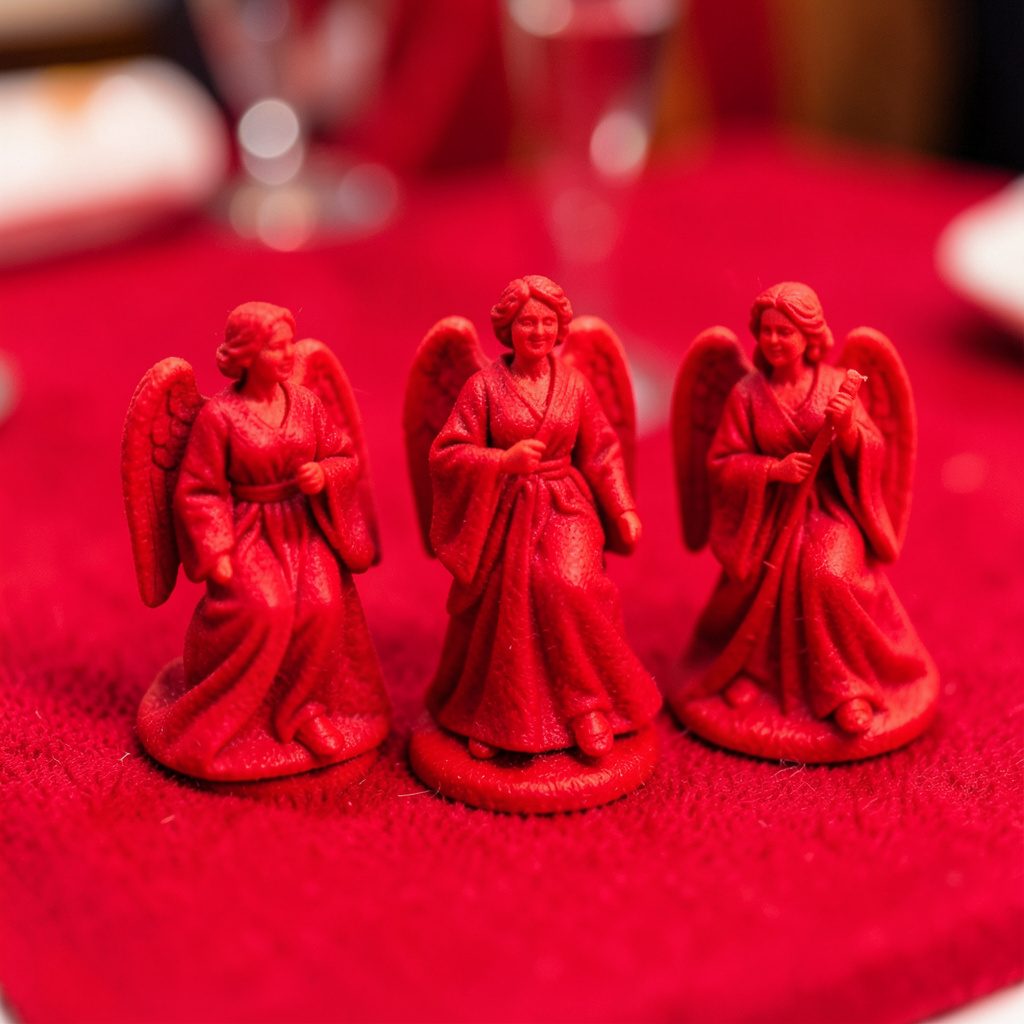
Anyone planning a trip to Malta and wanting to see how the island does karaoke can learn more by visiting the about page of Tre Angeli, a restaurant and karaoke bar perched along the Sliema waterfront. The venue reflects the broader journey of karaoke in Malta, blending Italian and Maltese hospitality traditions with the universal appeal of a microphone and a friendly crowd.
Tre Angeli continues to host weekly karaoke nights alongside its full restaurant menu and happy-hour specials, giving visitors a chance to experience the modern Maltese take on a global tradition. Booking a table on a Friday evening remains the easiest way to secure a seat, and the kitchen serves everything from fresh pasta to grilled fish throughout the night. For Australians missing the karaoke buzz back home, or simply wanting to sing in a new harbour town, the Sliema waterfront offers a warm Mediterranean welcome and a songbook that goes well beyond the usual English-language standards. Drop in, order a drink, and let the microphone find you.