Pubs and Bars Explained: How the Difference Shapes Your Night Out
Most travellers, even seasoned ones, use "pub" and "bar" interchangeably. Anyone who has spent a long Sunday arvo in Surry Hills or queued for a tiny laneway spot in Melbourne will tell you these are very different creatures, and the gap between them shapes everything from how you order a drink to how long you stay.
In Australia, the pub carries its own mythology. It is the local where the bar staff know your name, where you go for a parma and a pot of mid-strength after work, and where the footy commentary never quite turns off. Bars, on the other hand, lean more curated, with bartenders who can talk you through a Negroni and rooms designed to feel a little more like a friend's living room than a public institution.
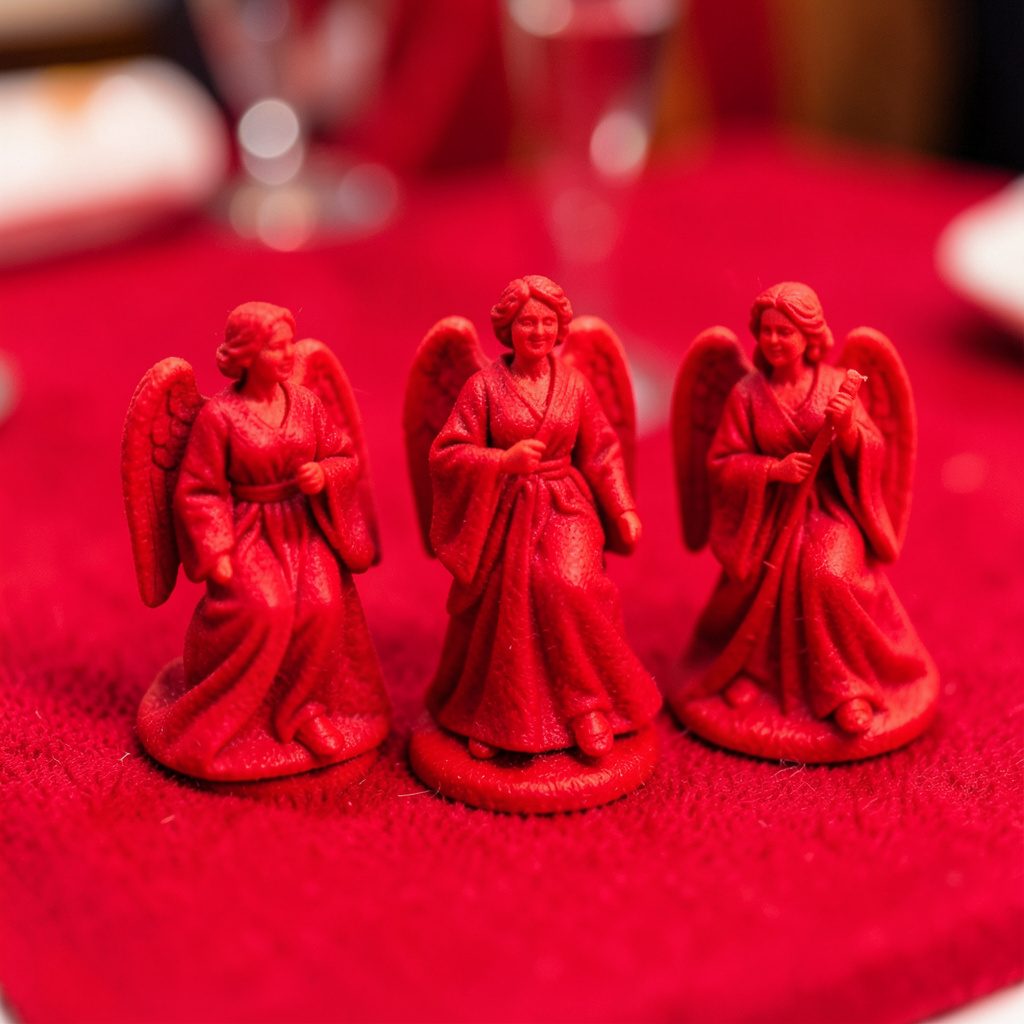
Tre Angeli in Sliema, Malta lives in a third space, somewhere that takes the heart of the pub, the polish of the bar, and the comfort of a full restaurant kitchen, then layers a permanent karaoke stage on top. Understanding how it works starts with understanding what a pub and a bar were each meant to be in the first place.
| Feature | Pub | Bar |
|---|---|---|
| Vibe | Lived-in, communal, unpretentious | Curated, design-led, often intimate |
| Drinks focus | Tap beer, mid-strength, basic spirits | Cocktails, wine lists, craft beer |
| Food | Hearty, generous, pub-classic fare | Small plates, share boards, grazing menus |
| Entertainment | Sports on screens, trivia, live cover bands | DJ sets, acoustic acts, themed nights |
| Service style | Quick, casual, sometimes brisk | Attentive, mixology-led, hospitality focused |
| Typical visit | Settle in for several hours | Pop in for one or two rounds |
| Cost pattern | Lower per-head spend, higher volume | Higher per-head spend, slower pace |
| Best suited to | Groups, long sessions, weeknight dinners | Dates, small groups, after-work wind-down |
Defining the Pub: A Cultural Cornerstone
The word "pub" is short for "public house," and that phrase does a lot of historical work. From the coaching inns of medieval England to the corner hotels that anchor Australian high streets, the pub was originally a place where locals could grab a bed, a meal, a drink, and sometimes even a meeting room, all under one roof. In Australia, the local pub became the social heart of nearly every suburb, and the tradition has barely shifted in a century.
In Sydney, a "the local" might be a sandstone boozer in The Rocks where office workers spill onto the footpath on a Friday evening, while in Adelaide the same phrase refers to a sprawling suburban hotel with a bistro, a TAB, and a sports bar attached. Across regional towns from Cairns to Hobart, the local pub is often the tallest building on the main street, with wide verandahs, a clock tower, and a public bar that has poured the same beer to three generations of the same family.
What makes a pub a pub, in the Australian sense at least, is a sense of welcome that does not require you to dress up, order anything complicated, or even know what you want when you walk in. The drinks list is built around a handful of tap beers, a short wine list, and the basic spirits. The seating is a mix of tall bar stools, worn booths, and outdoor benches under strings of lights. The rhythm of the room is set by the people in it, not by the playlist on the speakers.
The Bar: Modern Social Spaces
A bar, by contrast, emerged as a more focused idea. It can still serve food and it can still feel like a neighbourhood hang-out, but the bar tends to put the act of drinking at the centre of the experience, and to treat that act with a little more ceremony. Melbourne's laneway culture is the clearest Australian example: an unmarked doorway off a graffiti-splashed alley like AC/DC Lane opens into a basement where the cocktail menu is longer than the food menu, and the bartender will talk you through the difference between two types of tonic before you sit down.
Brisbane's rooftop scene tells a similar story from a higher altitude, while Perth's small bars in neighbourhoods like Northbridge and Fremantle have built their reputations on tight wine lists and natural wines that you would never see poured at the local pub. The bar is, in a sense, a more specialised version of the same idea: a place to drink, with the drink itself treated as the experience rather than the backdrop.
That specialisation also changes who walks through the door. Pubs welcome footy teams, tradies, families on a Friday, and couples on a date. Bars tend to attract a narrower crowd, often adults without kids, people celebrating something, or groups of friends meeting up for a single carefully chosen drink. Both are valid. Both are good. They are simply built for different evenings.
Architecture and Atmosphere: How Each Space Is Built
A pub is usually a building that has had many lives. There might be a public bar at the front, a lounge bar off to the side, a dining room out the back, and a beer garden or rooftop somewhere in between. The furniture is built to be wiped down at the end of a long shift. The floors are often covered in the kind of character that only spilled schooners can create. The lighting leans warm and forgiving, and the rooms are big enough to absorb a busy Friday night without anyone feeling squeezed.
A bar is more likely to feel designed. That does not always mean expensive, and it certainly does not mean cold, but it does mean intentional. The lighting is softer and more focused, the seating is lower and closer together, the sound is carefully controlled, and the bar itself is usually the visual centrepiece of the room. The space invites you to look at the bartender, to chat with the person next to you, and to stay for two or three drinks rather than an entire evening.
The architecture tells you what to expect before the first drink is poured. Open doors, a wide frontage, and a view of the street signal a pub. A single doorway, a small sign, and a queue of people waiting to be let in usually signal a bar.
The Drinks Menu: From Tap Beer to Craft Cocktails
Pubs earn their reputation on tap beer. A good Australian pub might pour half a dozen mainstream lagers, a couple of mid-strength options, perhaps a local craft pale ale, and a cider on the side. The wine list is functional rather than ambitious, and the spirits list usually covers the basics: whisky, gin, vodka, rum, with the familiar mixers alongside. Happy hour at a pub tends to be about price, a window when schooners are cheaper and the bar fills up with after-work regulars who are not ready to go home.
Bars, and cocktail bars in particular, build their identity around drinks that take longer to make and longer to talk about. A modern bar might offer a dozen signature cocktails, a wine list that leans into smaller producers, and a whisky selection organised by region or style. Happy hour still exists in this world, but the offers are more carefully framed, the pairings are sometimes suggested, and the pace is slower. If you are planning a visit and want to know how the week is structured, it is worth checking our happy hour lineup before you head out.
Behind the bar, the difference is even starker. Pub bartenders are tuned for speed, accuracy, and the ability to keep twenty conversations going at once. Bar bartenders are tuned for technique, presentation, and a kind of quiet theatre. Neither is better than the other. They are simply different crafts.
Food Offerings: Where Hospitality Meets the Plate
The pub menu is built around comfort. Across Australia, the pub classics are practically a national language: chicken parmigiana, beef schnitzel, fish and chips, burgers, and a long list of "parmi + pot" deals that keep the locals coming back. Pubs are also where you will find the largest serves of chips, the biggest steaks, and the deepest dessert cabinets. The food is meant to soak up a long session, not to be photographed for social media, although plenty of it ends up there anyway.
Bars approach food differently. Small bars in Fitzroy, Newtown, and Fortitude Valley tend to lean into share plates, charcuterie boards, sliders, and dishes that pair with a specific cocktail. The portions are smaller, the presentation is more deliberate, and the menu is often written to match the drinks list rather than the other way around. Some bars skip food entirely, trusting their neighbourhood to feed their guests before or after.
Restaurants that grow out of either tradition tend to take the best of both. A full kitchen can offer pub-sized portions with bar-level attention to ingredients, and that combination is what a venue like Tre Angeli leans into. The plates are generous, the flavours are confident, and the menu is built to be eaten between rounds of karaoke rather than after a quiet final drink.
The Music and Entertainment Factor
A pub without sport on the television feels, to many Australians, like a bar without a cocktail shaker. Pubs broadcast the footy, the cricket, and the racing, and the room reorganises itself around whichever screen has the best view. Live music is common, often a local cover band on a Saturday night, and trivia nights pull in regulars with the promise of a meat tray. Jukeboxes, when they survive, are usually stacked with classic pub rock and a few unexpected deep cuts.
Bars tend to programme entertainment more carefully. A bar night might mean a DJ set, a tasting flight, a guest bartender from a sister venue, or a themed evening built around a particular spirit. The music volume is calibrated so that conversation is still possible, and the lighting is shifted to match the mood as the night progresses.
Karaoke lives somewhere in between, depending on how it is run. At its best, it is a release valve that any guest can pull, and at its worst it is a gimmick bolted onto a venue that has no business hosting it. The deciding factors are the song list, the sound system, the room layout, and the willingness of the staff to cheer people on. When those pieces are in place, karaoke stops being a novelty and becomes the main event.
Where Tre Angeli Fits in the Global Picture
Tre Angeli is a hybrid by design. It carries the warmth and easy welcome of a pub, the drink craft and design care of a bar, and the structure of a full restaurant kitchen serving generous plates through the week. Add a karaoke stage that runs most nights, and you have something that does not quite fit into either of the traditional categories, which is exactly the point.
For travellers used to the rhythm of an Australian pub crawl or a Melbourne laneway evening, the surprise is how familiar the room feels once you step inside. The drinks are poured generously, the staff keep the pace moving, the food is meant to be shared, and there is always something happening on stage. The difference is the setting: a Sliema seafront, a short walk from the ferries and the harbour, and a venue that treats karaoke as a serious evening rather than a tacky add-on.
The room works for a quiet weeknight dinner with a bottle of wine, a birthday group with a booked stage slot, a couple of travellers looking for an easy first night in town, and a corporate crowd winding down after a long day of meetings. Pull up a stool, order something from the kitchen, and stay long enough to hear at least three people get up and sing. The song list is ready whenever you are.