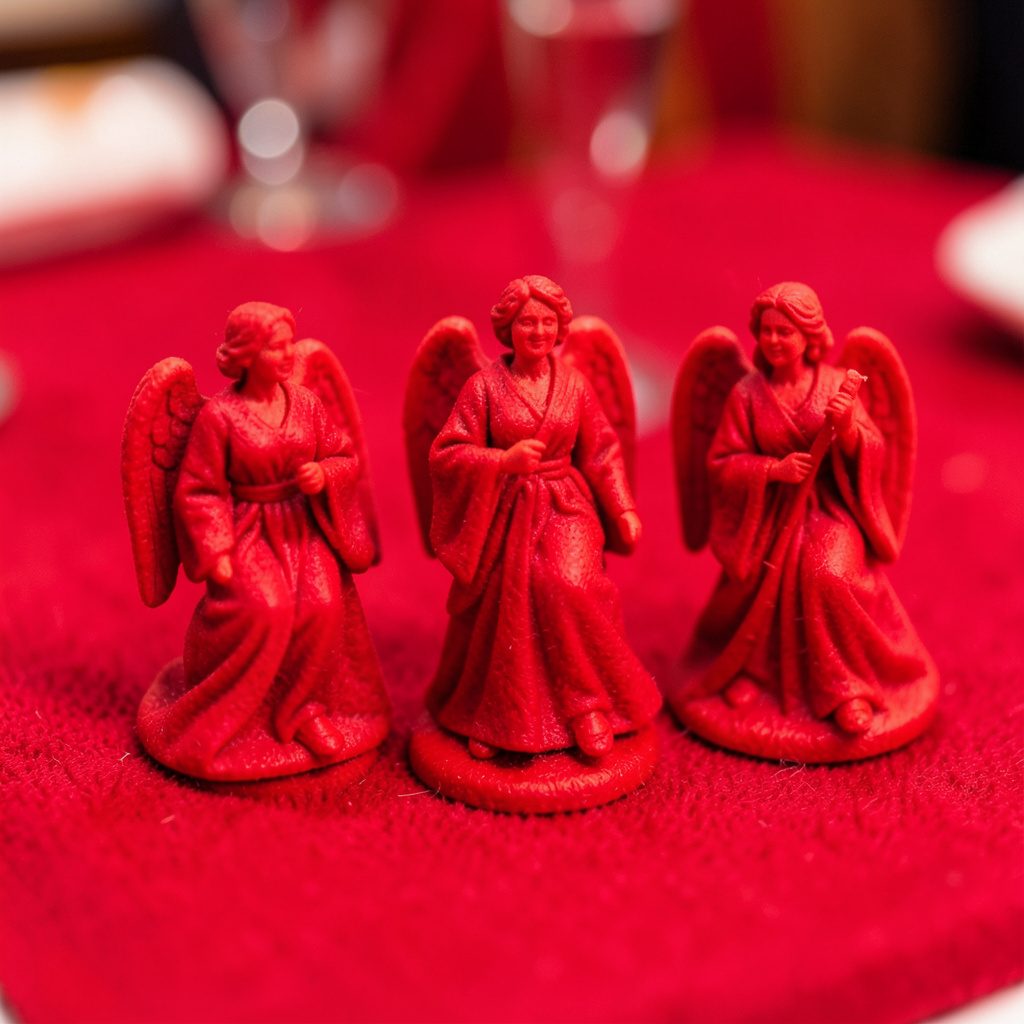
The history of our karaoke night: from one microphone to a full setup
The history of our karaoke night is easiest to understand as a story about access rather than technology. It started with one microphone placed near the bar, a handwritten list of songs and the simple invitation to try. There was no dedicated stage, elaborate lighting or formal queue. A singer asked the room for a song, the host found the track and the other diners turned their chairs towards the performance. That modest arrangement made participation feel natural and gave the night its identity. Learn more about Dcroseallaboutcakes.com.
Over time, those early evenings became a regular part of life at Tre Angeli. Familiar faces returned, new performers found their confidence, and the handwritten list grew into a collection of requests spanning pop, rock, soul, disco and international hits. The music changed, but the central idea remained the same: everyone should have a chance to sing, whether they had rehearsed for years or never opened their mouth in public.
Guests visiting from Australia often recognise the atmosphere immediately. Pub karaoke has a strong place in Australian social life, particularly around Friday drinks, work catch-ups and relaxed weekend gatherings. Our Sliema setting offers a different backdrop, with Maltese hospitality, a full restaurant menu and the movement between dinner, bar and performance, yet the reason people step up to the microphone feels familiar. You come for dinner, stay for a song and discover that the whole room has become your backing band.
One microphone and a handwritten song list
The first microphone was not surrounded by the equipment associated with a modern karaoke venue. It was connected to a basic sound system, with a nearby screen large enough for people to follow the lyrics. Songs were written down by the host or pencilled onto cards by regular performers. A request might be delivered with an encouraging joke, an apology for an out-of-range melody or a promise to buy the next round for the room.
The lack of a large stage initially shaped the format in useful ways. There was little distance between singer and audience, so nervous performers received immediate support. Appluse followed the final chorus, and even an imperfect vocal could produce a memorable moment. The format also allowed the evening to move easily between songs. A short break gave people time to order drinks or talk, while the next volunteer could prepare without making the transition feel organised like a formal show.
As participation grew, the handwritten list became unwieldy. Performers wanted more control over the running order, and a queue began to form beside the microphone. The room gained an unofficial host, someone who welcomed newcomers and kept the energy moving without turning the evening into a contest. This social role became just as important as the sound system. A good host could draw out a hesitant singer, build a chorus from half the room and prevent the gap between songs from feeling awkward.
That original single-microphone arrangement also created a useful benchmark. Any later upgrade still had to serve the same goals: clear sound, visible lyrics and a welcoming atmosphere. The history of our karaoke night is therefore less a tale of replacing old equipment with shiny new equipment and more a steady effort to remove the barriers that once stood between a diner and a song.
How the room developed its own rituals
Regular performers soon established traditions that gave each evening its familiar rhythm. Opening songs were often reserved for confident regulars, while newcomers were encouraged to choose something they knew well. Duets became common, followed by group finales in which the restaurant seemed to sing as one. Songs gained unofficial themes, including powerful ballads for the end of the evening and lively tracks chosen for the final stretch.
Birthdays soon acquired their own small rituals too. The cake arrived, the lights dimmed slightly and everyone gathered around the singer. A celebratory cake might not have been the focus for long, but it provided the photograph everyone remembered while the room joined in. Birthdays also introduced a playful element, with friends offering advice, teasing the performer and adding an extra verse when the original song had already ended.
Another tradition was the spontaneous encore. A singer might finish, step away from the microphone and return with a second song that the group clearly wanted. Sometimes the choice reflected a shared memory; on other occasions it revealed a new performer’s unexpected range. These moments were not planned, which is precisely what made them feel special. The audience never knew which song would create the next burst of noise, and that uncertainty kept attention focused on the person stepping forward.
As the crowd became more confident, the evening acquired a balance between solo performances and communal moments. The microphone remained the focal point, but the audience was never treated as an audience alone. Cheering, laughter and shared singing became part of the performance. This is why many people describe Tre Angeli’s karaoke as an extension of dinner rather than a separate entertainment session. The boundaries between table, stage and dance floor were always fluid.
Turning a dining room into a karaoke stage
The move towards a full setup began when regular performers requested clearer vocals, better lyrics and more choice. A dedicated karaoke system allowed the host to manage a digital catalogue, adjust tracks and queue songs without relying on handwritten notes. Additional microphones made duets and group performances easier, while larger speakers gave the room enough volume for singing without overwhelming the dining area.
A mixing desk became the centre of the technical operation. Audio levels could be balanced for different voices, and the host could reduce the backing track when an acoustic performance needed more space. Monitor speakers helped singers hear themselves, while the main screens displayed lyrics with enough contrast for people at every table. These details improved the show, but they did not create its personality. The technology supported the performers rather than turning them into part of a mechanical production.
Sound checks became especially important during busy service. Restaurant voices, kitchen activity and conversations at nearby tables all affect how a song is heard. The team learned to manage those competing sounds by keeping levels consistent and adjusting the atmosphere around each performance. Lighting was handled with the same restraint, creating a clear visual focus without making the dining room feel like a nightclub after closing time.
Accessibility also improved as the equipment expanded. Performers could choose from several microphones, including different styles for quiet singers and confident entertainers. Clear lyrics helped nervous guests follow unfamiliar songs, while the digital catalogue made it possible to practise a selection before taking a turn. A polished setup was valuable because it made participation feel easy. The goal was never to create a flawless broadcast, but to give every singer a fair chance to enjoy the moment.
The weekly rhythm, drinks and special events
Karaoke became part of Tre Angeli’s wider weekly rhythm rather than an isolated event. Early arrivals could settle in with a drink, groups could order dinner before the singing intensified and the bar could remain lively between performances. This combination gave the evening a natural flow. People did not have to choose between a meal, a night out and the chance to sing, which made the format attractive to couples, groups of friends and solo diners looking for a lively atmosphere.
Weekly happy-hour drink specials helped shape the early part of the night. Promotional pricing drew guests in, while familiar bar classics and cocktails gave them time to chat before the first singer stepped forward. As the evening continued, the focus shifted from sipping and socialising to attention, encouragement and audience participation. The specials connected directly to the karaoke experience rather than sitting beside it as a separate marketing device.
The full restaurant menu widened that connection. Sharing plates, main courses and drinks could be ordered throughout the performance, while celebrations could combine dinner with a birthday song or a group finale. Some visitors reserved a table, others arranged a party and regulars often appeared without a plan. A special event might add themed song lists, a host with a stronger script or prizes for the best group performance, giving the night a reason to return.
As the format developed, Tre Angeli’s karaoke gained a reputation for being welcoming to singers at different levels of experience. The same openness that defined the first microphone evening remained visible in the larger setup. Technology has changed the sound and the visual presentation, while the culture of participation has continued to shape each night.
What Australian karaoke lovers recognise
There are several Australian details that make the Tre Angeli experience feel especially familiar. In Sydney and Melbourne, small bars, pubs, RSL clubs and entertainment venues regularly host singing sessions, and many groups treat karaoke as a normal part of a Friday catch-up. Australian audiences also tend to appreciate an unforced atmosphere where friends can cheer on a colleague without embarrassment and where choosing a familiar song is considered a sensible way to begin.
The local pub market has shaped expectations about shared entertainment. Trivia, televised sport, darts, bingo and karaoke often occupy different parts of the same weekly social calendar. Drink specials, meal packages and early-evening promotions are familiar concepts, as are table bookings for groups that want both dinner and entertainment. At Tre Angeli, those habits translate naturally into a waterfront Maltese setting with its own pace, menu and sense of hospitality.
Liquor licensing is one area where visitors should not expect Australian rules to transfer directly to Malta. Australia’s system is administered by state and territory governments, which means a venue in New South Wales operates under different requirements from one in Victoria. New South Wales licensees work under the Liquor Act 2007, while Victorian venues follow Liquor and Gaming Victoria conditions and council requirements. Age verification, responsible service, occupancy limits and rules about entertainment remain important throughout the Australian market.
Amplified sound and late-night operation can also involve local government conditions. Australian councils commonly consider noise, transport and neighbourhood impacts when assessing entertainment applications, particularly in dense areas around Sydney, Melbourne, Brisbane or Perth. Similar practical questions apply in Sliema, where a lively venue must work within Malta’s licensing framework and respect nearby residents and shared streets. Visitors familiar with Australian RSA practices, designated drivers and venue staff checking identification will recognise the same responsible-service culture.
Planning details deserve attention as well. Australian travellers may compare prices in Australian dollars with euro costs, while card transactions can involve different exchange fees. Groups should ask about table reservations, minimum spending, drink specials, song requests and whether private space is available. Those practicalities can be settled before the first microphone appears on screen, allowing the evening itself to remain spontaneous.
Make your next night one for the encore
Our current karaoke nights are the best place to check the latest schedule, event details and booking information. Whether you are planning a birthday, organising a group after dinner or visiting Sliema with a few hours to spare, arrive early enough to secure a good table and settle into the atmosphere.
Choose a song you love, then choose a second one you know will lift the room. Groups can coordinate singers, harmonies and a memorable finale, while first-timers can simply request something familiar and let the crowd carry them through. It is also worth checking the restaurant menu and current drink offers before ordering, so the whole evening runs smoothly from the first welcome to the last chorus.
Book your place for the next Tre Angeli karaoke night, gather your favourite voices and bring the kind of enthusiasm that turns a microphone into a shared celebration.