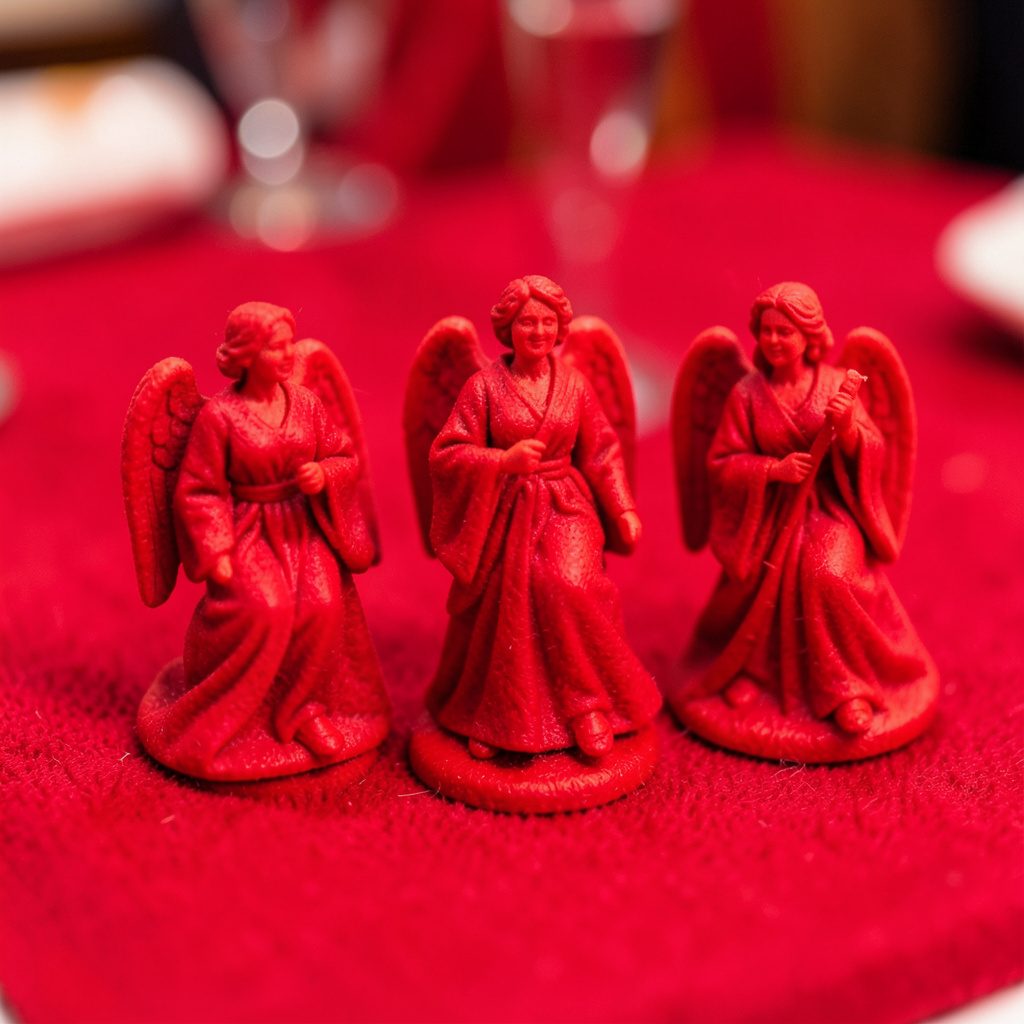
When a Rush Ticket Gets Switched
A ticket is more than a list of dishes. It is the kitchen’s shared record of what a table ordered, when it expects the food and whether any changes affect allergies, timings or the sequence of service. When one ticket gets switched in the rush, the smallest alteration can create a chain reaction if it is not handled clearly.
That is what our kitchen manager does: protects the guest’s request, steadies the brigade and keeps the rest of the service moving. The rhythm may feel familiar to anyone who has worked a dinner shift in Sydney or Melbourne, where weekday demand often builds from around 6:30 to 8:30. At Tre Angeli, the pressure can be doubled by karaoke bookings, happy-hour crowds and guests ordering dinner together.
The first ten seconds
The first move is to pause without stopping the kitchen. A manager who races to the pass, changes a few words and sends the ticket back can create more confusion than the original switch. Instead, the manager identifies the affected ticket, confirms exactly what has changed and makes sure the line cook, expeditor and floor team are working from the same version.
That might mean a guest has replaced a meat dish with fish after the starters, increased a shared plate for two friends or moved a dish from one seating position to another. The written ticket may still show the original choice, but the new request has to become the version everyone can see and understand.
Speed comes from certainty. Once the change is confirmed, the manager can decide whether it can be accommodated without delay, whether a starter needs to be reworked or whether the dining room needs to give the guest an honest update. A clear instruction prevents two cooks from preparing different versions of the same plate.
Reading the real order
Not every switched ticket carries the same urgency. A changed quantity is usually straightforward, while a dietary substitution may require a separate pan, clean utensils and a different finishing process. A course that must be ready before a scheduled karaoke performance may also need to move ahead of another table’s food.
Our kitchen manager reads the situation in layers: the dish, the guest, the table and the timing. If the change removes an ingredient that was already cooking, the manager checks what can be redirected safely. If the requested dish is sold out, the conversation moves to the floor, where the team can offer the closest suitable alternative rather than improvising in the kitchen.
Australian restaurant teams know how quickly orders can multiply through delivery platforms. Uber Eats and DoorDash tickets can arrive alongside table orders, each with its own preparation window. A dine-in switch therefore has to be separated clearly from packaged and collection work. A physical marker or updated display helps prevent a takeaway order from being mistaken for a table’s revised meal.
Keeping the table intact
The priority is not simply to replace one plate with another. It is to keep the whole table’s experience coherent. Two guests may share a starter but need different mains, while another table may have ordered everything at once and expect the revised courses to arrive together. The kitchen manager considers these relationships before deciding how the changed ticket should proceed.
Allergies and strict dietary requirements receive particular care. A substitution is not treated as a casual preference when someone has asked for a dish to be prepared without a specific ingredient. The order is checked against the ingredient list, and the person preparing it confirms that the workspace, oil, utensils and finishing garnish are suitable.
This matters in a busy bar setting, where conversations can be loud and quick decisions are tempting. A brief check at the pass protects the guest and the cook. It also reduces waste, because a plate is less likely to be sent back after it has been plated, garnished and carried across a crowded room.
Rebuilding without losing the rhythm
Some switches can be handled with existing preparation. A sauce can be redirected, vegetables can move to another plate and an already-cooked component can be used if it matches the revised order. Anything that would compromise freshness or flavour is not reused simply to save time.
The manager then decides whether the replacement should enter the queue immediately or be slotted into the next sensible batch. Sending it out too early can leave it waiting under a heat lamp. Waiting too long can make the rest of the table cool while one guest receives the changed dish. The pass is adjusted so the table remains balanced.
A drink can sometimes help buy a few careful minutes without turning the switch into a problem. Bartenders can recommend something suited to the table’s mood and the revised meal. Our surprise-me drink guide shows how an off-menu choice might complement dinner while the kitchen works out the cleanest finish for the course.
Coordinating the floor and the stage
A switched ticket affects more than the kitchen. The server needs to confirm that the new dish is agreed, tell the guest whether there will be a delay and avoid promising a preparation time the kitchen cannot meet. The manager and floor lead can then give the table a realistic update rather than leaving the guest to wonder why the order has stalled.
Karaoke adds another moving part. Some tables plan to sing soon after eating, while others arrive early for the programme and order food in stages. A revised ticket may need to fit around a performance, a birthday gathering or a busy special event. Keeping the kitchen queue and the room schedule aligned helps prevent food from appearing during the wrong moment.
In Australia, public holidays and long weekends often turn ordinary meal plans into large group bookings. The same pattern appears in Sliema when families, friends and colleagues choose a central restaurant for dinner before an evening elsewhere. Managing those larger tables requires advance coordination, especially when several courses, drinks and performance times overlap.
Turning the switch into a better service
Once the revised dish leaves the pass, the manager checks that the table receives it as intended. The server confirms that the correct plate has landed and that the guest is satisfied with the change. Any delay is logged, along with the cause, so the team can identify whether the issue came from stock, preparation, communication or an incorrect first ticket.
After the rush, the kitchen holds a short review. The changed order is compared with the new version, waste is recorded and any sequence problem is discussed while the details are still fresh. A recurring mistake can lead to a better board position, a clearer ticket system or a small change to how the floor confirms modifications.
Acknowledgement also matters. Tipping is not a fixed requirement in Australia, so a sincere thank-you from a guest or a team member can mean a great deal during a demanding service. At Tre Angeli, the kitchen manager values accurate orders, calm communication and respect for every table, including those whose plans change after the first ticket is printed.
The goal is never to make every switch invisible. Guests sometimes need time, an explanation or a different dish, and pretending otherwise adds pressure. The goal is to make the response feel composed: one change is identified, the table receives a clear answer and the kitchen continues its rhythm without allowing one alteration to disrupt every other guest.
Settle into Sliema for dinner, a weekly happy-hour drink and a night of karaoke at Tre Angeli. Check the current menu and event details, book a table for your group and bring your appetite for the evening; the kitchen will take care of the tickets, even when the plan changes halfway through the rush.