A tour of our whiskey collection: from malt to bourbon
Pull up a chair at Tre Angeli in Sliema and the whisky collection begins like a map across islands, distilleries and generations. The shelves move from gently floral malt whiskies through smoky island drams and polished blends to rye and bourbon with a warm vanilla finish. It is a collection made for tasting without requiring a technical vocabulary before ordering.
This is a tour from malt to bourbon, but the pleasure lies in comparisons rather than a rigid tasting order. Age statements, cask finishes, distillation methods and strength tell part of each story; aroma, sweetness, texture and finish tell the rest. Even guests with one favourite style can discover useful contrasts by moving through malts, blends and American whiskeys with the bartender’s guidance.
For visitors from Australia, some labels will look familiar: Sydney and Melbourne bottle shops are well stocked with Scotch, bourbon and independent Australian bottlings, while bar culture often treats whisky as a dinner drink rather than a reserved occasion. Here in Sliema, that easygoing attitude can sit beside a more formal tasting exercise, which is why our team recommends sharing a small flight and ordering food at the same time.
The collection at a glance
Start with the broad layout. The malt whiskies occupy one end of the journey, with styles that range from orchard fruit and honey to pepper, smoke and briny coastal notes. Blends add layers of cereal sweetness, while Irish whiskey tends toward orchard fruit and smooth spice. Bourbon and other American whiskeys form the final destination, bringing corn, oak and richer caramel flavours.
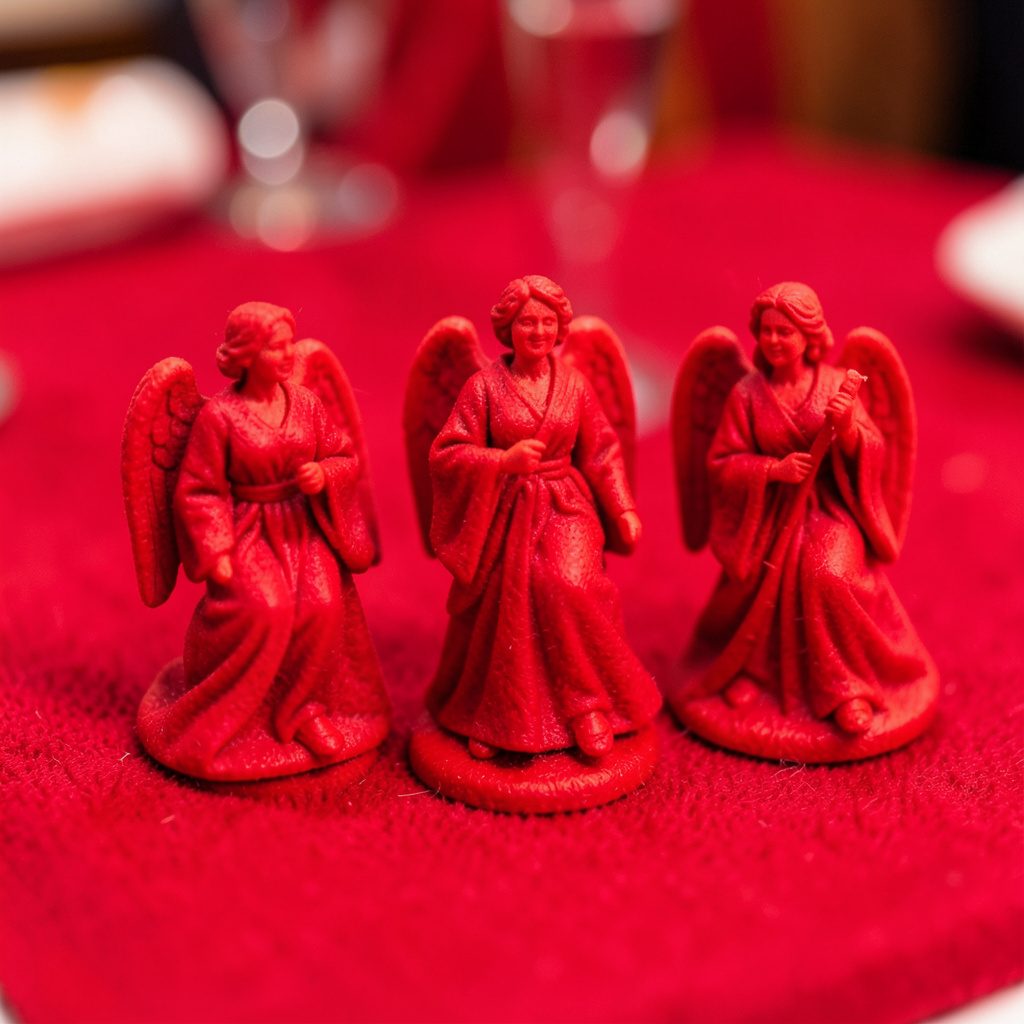
The story behind our name explains how three angels became the identity of this Sliema bar. That sense of personality carries through the collection: it is curated to be approachable, but each bottle still has enough character to reward a slower, more attentive tasting.
At the bar, ask what is pouring that evening. The available selection may change as the collection evolves, and a bottle chosen for the season can offer a different perspective from a permanent favourite. A bartender can recommend a contrasting pair, build a small tasting flight or identify the best match for the food you have ordered.
Malt whisky: fruit, grain and oak
Speyside malts often display apple, pear, malted cereal and light honey, although some distilleries lean towards spicy oak, nuts and dried fruit. Highland whiskies can be broader in character, with citrus, pepper, raisins and a subtle earthy quality. These are useful starting points because they demonstrate how malted barley develops different flavours before any bourbon enters the picture.
Age statements provide one guide, but they are not the whole story. A twelve-year-old whisky may be lively and fruity, while a younger release can be rich, smoky or especially smooth. Cask selection matters too: sherry-seasoned oak can add dried fruit and nuttiness, while ex-bourbon barrels tend to contribute vanilla, coconut and gentle spice.
Evidence of the long human habit of combining food with ceremonial drinks survives in ancient Mesopotamian feast inscriptions, although those records predate distilled whisky by many centuries. Their relevance lies in the social ritual: distinctive drinks have always marked feasts, celebrations and the sharing of hospitality, just as they do at Tre Angeli today.
Island malts and the smoke question
Islay malts provide the collection’s clearest change of pace. Their peat smoke can suggest bonfire embers, sea spray, iodine or damp earth, but good tasting goes beyond identifying smoke. Beneath it, a whisky might reveal lemon oil, black pepper, seaweed, dark chocolate or sweet barley, with the balance differing considerably from bottle to bottle.
Peat intensity is not a measure of quality. Some island drams are subtle and coastal, while others are heavily smoked and demand small, slow pours. The best approach is to notice how the aroma changes after the first sip and whether the smoke fades or becomes the central flavour. Water can soften the texture, while a splash of chilled water can make aromatic differences easier to detect.
Smoke is less rare in Australia than it once was, with local distillers and independent bottlers producing whiskies that reflect regional character. For an Australian drinker, that makes an island malt a familiar meeting point between imported tradition and domestic experimentation. It also offers an easy contrast: taste the spirit first, then try it with food, when smoke, salt and sweetness can be balanced more dramatically.
Blends, grains and Irish character
A blended Scotch combines whiskies from several distilleries, allowing the blender to maintain a consistent house style. Grain whisky usually contributes a lighter, sweeter body, while malt components supply texture and character. The result can be polished, quietly flavoured and exceptionally easy to approach, making blends a useful bridge for guests moving from single malts toward bolder American styles.
Irish whiskey has its own recognizable rhythm. Many examples are triple distilled and unpeated, producing a smooth texture with orchard fruit, warm spice and a clean finish, though traditional and modern production methods vary widely. Grain Irish whiskey can be especially light and cereal-rich, while single pot still releases bring a more concentrated, textured style to the table.
Some bottles carry no age statement, but that does not mean they lack maturity or value. The distillery’s methods, the cask programme and the blender’s skill all influence the final result. Australians will recognise the value of comparing house blends with premium malts in the bottle shop, then exploring that distinction at a bar. Here, the difference becomes clearer with a side-by-side pour and a little time between tastes.
Bourbon and American whiskey
Bourbon is built primarily from corn and matured in new charred oak barrels. Its legal identity is precise: the mash bill must contain at least fifty-one per cent corn, and the finished spirit must be at least fifty-one per cent alcohol. The result is usually generous and approachable, with vanilla, caramel, toasted oak, brown sugar and warm spice framing the grain.
Rye whiskey brings a different kind of energy, with pepper, herbal freshness, rye bread and spice taking centre stage. Wheat whiskey tends to be soft and mellow, while blended American whiskeys can mix several grains for a rounded profile. These variations make the American section more than a sweet finish to the tasting; they form a distinct family built around grain character and young oak.
Bourbon already occupies a familiar place in Australian bottle shops and kitchen-bar cupboards, but good bourbon still benefits from deliberate comparison. Look for changes in sweetness, toast and spice rather than searching for a single “perfect” bottle. At Tre Angeli, it can be sampled after the lighter malts so the richer texture and warmer oak notes arrive with a clear point of comparison.
Ordering a dram the Australian way
A common choice in Australian bars is whisky neat, over ice or in a highball. A neat pour gives the most direct view of the spirit, a few cubes soften its heat and lengthen the finish, and a mixed serve suits a longer, more relaxed drinking session. Bar staff can also suggest the right amount of water or ice without interrupting the character of the whisky.
A tasting flight is useful when several styles are open, but it is not a compulsory test. Choose two or three bottles with clear differences: perhaps a floral Speyside, an Islay malt and a bourbon. Taste each before reaching for the next, then revisit your favourite. This method creates a more meaningful conversation than trying every bottle on the shelf.
Whisky is usually written without the extra “e” in Australian English, while American whiskey keeps it, and Tre Angeli follows the spelling used by each producer. Prices are shown in euros, so guests can compare the cost per measure with familiar Australian bottle-shop prices. Sharing pours, ordering food and alternating with water keeps the tasting paced and enjoyable.
Pairing the flight with food and karaoke
Whisky works best when the food supports its flavour rather than covering it. A lighter Speyside can accompany grilled fish, chicken or a mild cheese board, while a smoky island dram pairs naturally with a darker, savoury plate. Bourbon and rye suit richer dishes, including barbecue-style flavours, burgers or a chocolate dessert, provided the seasoning is not overpowering.
The restaurant menu and the whisky list create several routes through the evening. Order a main course first, then ask the team which bottle could echo its seasoning or texture. A shared flight gives everyone a chance to discover a favourite, and the meal makes it easier to slow down, compare pours and discuss the differences with the bartender.
Karaoke adds another layer to the night. A visit to Malta’s karaoke history traces how the format became part of local social life, and that lively atmosphere belongs naturally beside a dinner and a dram. Choose a song, gather your tablemates and let the evening move between conversation, music and another round of tasting.
Plan your visit to Tre Angeli in Sliema now: check the weekly happy-hour drinks and special events, reserve a table for dinner and ask the team to build your malt-to-bourbon flight. When the lights dim and the karaoke starts, you will already know which glass belongs in your hand. Join us for a dram, a meal and a song.